
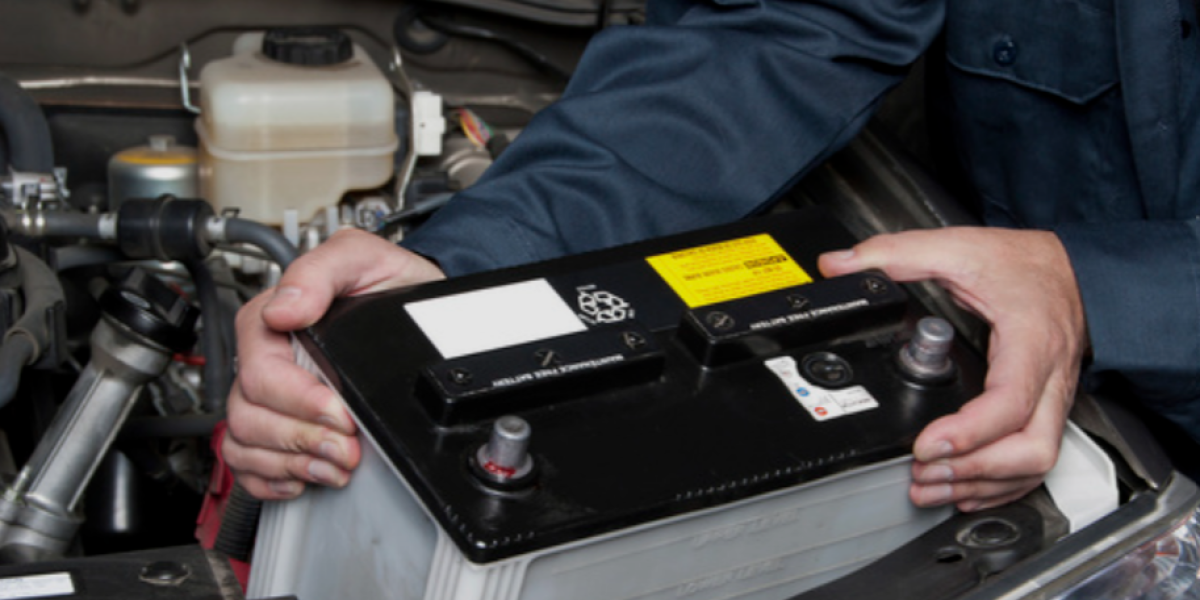
A car battery plays an essential role in keeping your vehicle running reliably. It supplies the electrical power needed to start the engine and supports important electrical systems when the engine is off. However, like other vehicle components, a battery gradually loses its ability to perform effectively.
The problem is that a failing battery does not always stop working without warning. In many cases, drivers notice small changes first, such as a slower engine start, dim headlights, unusual clicking sounds, or electrical problems. Recognizing these symptoms early can help you address battery trouble before your vehicle refuses to start.
Understanding the signs of a bad car battery is particularly important if you depend on your vehicle for commuting, work, family responsibilities, or regular travel around Fort Worth, Texas.
In this guide, we explain the most common warning signs of a failing battery, what causes battery problems, how to distinguish battery trouble from alternator issues, and what steps to take when your vehicle will not start.
How Does a Car Battery Work?
A standard vehicle battery stores electrical energy and supplies power to the starter motor when you turn the ignition or press the start button. It also provides electricity for various systems, including interior lights, dashboard displays, security features, and electronic accessories.
Once the engine is running, the alternator generally supplies electrical power to the vehicle and recharges the battery.
A healthy battery helps your vehicle start consistently and supports its electrical systems. When the battery becomes weak, damaged, or unable to hold sufficient charge, starting problems and other electrical symptoms may appear.
10 Common Signs of a Bad Car Battery
A failing battery can show several warning signs. Some are easy to notice, while others may appear only occasionally. Here are ten symptoms worth paying attention to.
1. Your Engine Takes Longer to Start
One of the most common signs of a weak car battery is slow engine cranking.
When you turn the key or press the start button, the engine may take longer than usual to turn over. Instead of starting smoothly, it may crank slowly or sound as though it is struggling to get going.
This can happen because the battery is no longer supplying enough electrical power to the starter motor.
However, slow cranking does not always mean the battery is defective. Poor electrical connections, starter problems, and other mechanical issues can produce similar symptoms.
If your vehicle repeatedly struggles to start, have the battery and starting system inspected.
2. You Hear Clicking Sounds When Starting the Car
Clicking sounds are another common warning sign of a possible battery problem.
When you attempt to start your vehicle, you might hear:
- Rapid clicking sounds.
- A single click without the engine starting.
- Repeated clicking followed by no response.
- Electrical components switching on and off.
Rapid clicking can occur when the battery does not have enough power to operate the starter properly. Loose or corroded connections may also interrupt the electrical supply.
A single loud click can indicate a starter-related problem, so the sound alone cannot confirm that the battery needs replacement.
If you hear clicking repeatedly, avoid making endless starting attempts. Arrange an inspection to identify the underlying issue.
3. Your Headlights or Interior Lights Become Dim
Your vehicle’s headlights and interior lights depend on its electrical system.
If your battery is weak, you may notice that the lights appear dimmer than normal, especially when the engine is off or when attempting to start the vehicle.
Other possible symptoms include:
- Dashboard lights becoming unusually weak.
- Interior lights flickering.
- Power accessories behaving inconsistently.
- Headlights changing brightness unexpectedly.
Keep in mind that dim or flickering lights can also indicate alternator problems, poor grounding, or damaged wiring.
If lighting problems occur while the engine is running, have the charging system checked rather than assuming the battery is the only cause.
4. You Need Frequent Jump-Starts
Occasionally needing a jump-start does not automatically mean your battery is bad. For example, leaving the headlights on overnight can drain an otherwise healthy battery.
However, if you repeatedly need another vehicle or a portable jump starter to get your engine running, something may be wrong.
Possible causes include:
- An aging battery that cannot hold its charge.
- A faulty alternator that is not recharging the battery.
- An electrical component continuing to draw power when the vehicle is off.
- Loose or corroded battery connections.
- Frequent short trips that do not provide enough time for the battery to recharge.
A jump-start may temporarily restore enough power to start the engine, but it does not repair a damaged battery or resolve an underlying charging problem.
Repeated jump-starts should be treated as a warning that the electrical system needs attention.
5. The Battery Warning Light Appears on Your Dashboard
Many vehicles have a battery-shaped warning light on the dashboard.
If this light appears while driving, it generally indicates a problem with the vehicle’s charging system. The issue may involve the alternator, battery connections, wiring, or another electrical component.
It does not necessarily mean the battery itself has failed.
Ignoring this warning can leave your vehicle without sufficient electrical power. Depending on the problem, the engine may eventually stop running.
If the battery warning light remains illuminated while driving, arrange a prompt inspection. If the vehicle begins losing power or behaving unpredictably, pull over somewhere safe and request assistance.
6. Your Battery Has Visible Corrosion
Battery terminals connect the battery to your vehicle’s electrical system. Over time, corrosion can develop around these connections.
You may notice a powdery substance that appears white, blue, or green around the battery terminals.
Corrosion can interfere with electrical connections and make it harder for the battery to supply power to the starter.
Other possible connection problems include:
- Loose battery clamps.
- Damaged battery cables.
- Cracked terminal connections.
- Dirt or moisture around the battery area.
Do not touch battery deposits with bare hands or attempt cleaning without understanding the appropriate safety precautions. Car batteries contain corrosive acid, and improper handling can cause injuries.
If corrosion is extensive or the battery appears damaged, have a qualified technician inspect it.
7. Your Battery Case Looks Swollen or Damaged
A swollen, cracked, or distorted battery case is a serious warning sign.
Excessive heat, internal battery damage, or charging-system problems can contribute to battery swelling.
You may notice:
- Bulging sides.
- A distorted battery shape.
- Cracks in the outer casing.
- Signs of leaking fluid.
A physically damaged battery should not be treated as a normal low-charge situation.
Do not attempt to jump-start, charge, open, or handle a swollen or leaking battery. Avoid sparks and flames, keep a safe distance, and arrange professional assistance.
8. You Notice a Rotten-Egg Smell
A strong rotten-egg or sulfur-like smell around your vehicle can indicate a damaged or overheating battery.
This smell may be associated with hydrogen sulfide gas released by a failing battery. It can also indicate overcharging or another serious electrical problem.
Do not ignore this warning sign.
Turn off the vehicle if it is safe to do so, avoid smoking or creating sparks nearby, and do not touch the battery. Arrange a professional inspection.
If the battery is visibly leaking, swollen, or producing a strong unusual odor, do not attempt a jump-start.
9. Your Electrical Accessories Stop Working Properly
A weak battery can sometimes affect different electrical components in your vehicle.
You may notice:
- Power windows operating more slowly than usual.
- Dashboard displays resetting.
- Interior lights flickering.
- Electronic locks behaving inconsistently.
- Infotainment systems restarting unexpectedly.
These symptoms may occur when the vehicle’s electrical supply is unstable.
However, electrical accessory problems can also result from faulty fuses, damaged wiring, poor grounds, or alternator issues.
If several electrical systems begin acting unusually at the same time, have the battery and charging system inspected.
10. Your Battery Is Several Years Old
Car batteries do not last forever. Many conventional automotive batteries last approximately three to five years, although actual lifespan depends on the battery type, vehicle, driving habits, maintenance, and climate.
Heat exposure, vibration, frequent short trips, and long periods without driving can affect battery performance.
In a hot region such as North Texas, high summer temperatures can place additional stress on automotive batteries.
If your battery is approaching the end of its expected service life, consider having it tested even if the vehicle still starts normally.
An older battery may continue working for some time, but testing can help identify declining performance before an unexpected breakdown.
What Causes a Car Battery to Go Bad?
Understanding why batteries fail can help you prevent avoidable starting problems.
Several factors may contribute to battery deterioration.
Extreme Temperatures
Both high and low temperatures can affect battery performance.
Cold temperatures make it harder for a battery to deliver the power needed to start an engine. High temperatures can accelerate internal battery deterioration and shorten its service life.
Drivers in Fort Worth should pay attention to battery condition during hot summer months, particularly if the battery is already several years old.
Leaving Electrical Accessories On
Leaving headlights, interior lights, or other electrical accessories running after switching off the engine can drain the battery.
Modern vehicles often have systems designed to reduce this risk, but an electrical drain can still occur.
Frequent Short Trips
Short drives may not give the alternator enough time to replace the energy used during engine starting.
If your vehicle is regularly driven for only a few minutes at a time, the battery may gradually lose charge.
Long Periods Without Driving
A vehicle that sits unused for weeks may develop a discharged battery.
Even when the engine is off, some electronic systems continue using a small amount of electricity. Over time, this normal electrical draw can reduce the battery’s charge.
Corroded or Loose Connections
Poor connections can prevent the battery from delivering electricity efficiently.
Corrosion, damaged cables, and loose terminals may cause starting difficulties that resemble a failing battery.
Charging-System Problems
The alternator is responsible for supplying electrical power and recharging the battery while the engine runs.
If it does not operate correctly, the battery may gradually lose charge even if the battery itself is relatively new.
This is why repeated battery problems should be investigated rather than addressed with jump-starts alone.
Bad Car Battery vs. Bad Alternator: How Are They Different?
A bad battery and a faulty alternator can produce similar symptoms. Both can cause starting difficulties, dim lights, and electrical problems.
Understanding the difference can help you describe the issue when requesting assistance.
| Possible symptom | Weak or bad battery | Alternator or charging problem |
|---|---|---|
| Slow engine cranking | Common | Possible |
| Clicking during starting | Common | Possible indirectly |
| Battery warning light | Possible | Common charging-system warning |
| Repeated jump-starts | Possible | Possible |
| Battery loses charge while parked | Possible | Not necessarily |
| Electrical problems while driving | Possible | Common |
| Engine stops while driving | Less typical | Possible |
This table provides general guidance, not a diagnosis. The symptoms can overlap, and other electrical or mechanical faults may be responsible.
A battery load test and charging-system inspection can help determine whether the battery, alternator, starter, or another component needs attention.
How Can You Check Whether Your Car Battery Is Bad?
There are a few ways to identify possible battery problems, but professional testing is the most reliable way to evaluate battery condition.
1. Check the Battery’s Age
Look for a date label or manufacturing information on the battery. If it is several years old and you are experiencing starting problems, consider having it tested.
2. Look for Visible Damage
From a safe distance, look for obvious cracks, swelling, leaks, or heavy corrosion.
Do not touch or attempt to repair a damaged battery yourself.
3. Pay Attention to Starting Performance
Notice whether your engine cranks more slowly than usual or whether you need repeated attempts to start it.
Keep track of how often the issue occurs and whether it happens after the vehicle has been parked for a long time.
4. Have the Battery Professionally Tested
A qualified technician can use appropriate equipment to evaluate battery condition and starting performance.
A charging-system test may also be needed to determine whether the alternator is supplying the correct charging output.
A simple voltage reading alone cannot always establish whether a battery is healthy. A battery may show a reasonable voltage but still fail under starting load.
What Should You Do If Your Car Battery Is Bad?
The right response depends on the condition of the battery and whether your vehicle is in a safe location.
Here are some practical steps to follow.
Step 1: Identify the Symptoms
Pay attention to clicking sounds, slow cranking, dim lights, warning indicators, and repeated starting problems.
Avoid assuming that every no-start situation is caused by the battery.
Step 2: Avoid Repeated Starting Attempts
Repeated attempts can further drain an already weak battery.
If the engine does not start after a few reasonable attempts, stop and consider getting professional assistance.
Step 3: Do Not Jump-Start a Damaged Battery
A jump-start may be appropriate for some discharged batteries, but it is not suitable for every situation.
Never attempt to jump-start a battery that is swollen, cracked, leaking, or producing an unusual sulfur-like odor.
Always follow your vehicle manufacturer’s jump-start instructions. Incorrect connections can damage electrical components or cause injury.
Step 4: Arrange Battery and Charging-System Testing
A professional inspection can help determine whether the problem involves the battery, alternator, starter, cables, or another electrical component.
This is especially important if your vehicle repeatedly loses power after being jump-started.
Step 5: Request Roadside Assistance If You Are Stranded
If your vehicle will not start at home, in a parking lot, or along a Fort Worth roadway, roadside assistance may help you get moving again.
For a vehicle with a suitable discharged battery and no visible damage, a professional jump-start may provide enough power to start the engine.
If the problem cannot be resolved safely at the location, towing to a repair facility may be the more appropriate option.
How Can You Help Extend Your Car Battery’s Life?
Although no battery lasts forever, good maintenance habits may help reduce avoidable battery problems.
Consider the following practices:
- Check battery condition regularly: Ask a qualified technician to test the battery during routine vehicle maintenance.
- Keep connections in good condition: Have loose or corroded terminals inspected and serviced safely.
- Avoid unnecessary electrical use: Switch off headlights and accessories when leaving the vehicle.
- Drive your vehicle regularly: Long periods without driving can allow the battery to lose charge.
- Pay attention to warning signs: Do not ignore slow starts or repeated electrical problems.
- Inspect an aging battery: Consider testing a battery that is approaching the end of its expected service life.
- Address charging-system problems: Have alternator and electrical faults investigated promptly.
These steps cannot prevent every battery failure, but they can help you recognize problems before they become unexpected roadside emergencies.
When Should You Call for Jump Start Service in Fort Worth, TX?
A weak or discharged battery can leave you unable to start your vehicle at an inconvenient time.
If your car will not start and you suspect a battery problem, consider the circumstances before deciding what kind of assistance you need.
A jump-start service may be suitable when:
- You accidentally left the headlights on.
- Your battery became discharged while the vehicle was parked.
- The engine cranks slowly or makes rapid clicking sounds.
- Your vehicle has been sitting unused for an extended period.
- You need help starting your car in a parking lot or driveway.
However, if the battery is visibly damaged, swollen, leaking, or producing an unusual smell, do not attempt a jump-start.
If you are unsure what is causing the problem, a professional assessment can help determine the safest next step.
Jump Start and Roadside Assistance in Fort Worth, TX
Ft Worth Quick & Slick Towing provides roadside assistance and jump-start service for drivers dealing with dead or weak batteries in Fort Worth, Texas.
The company’s Jump Start Service in Fort Worth page explains its mobile jump-start assistance, common battery-related problems, and what drivers can expect when requesting help.
If your vehicle needs additional roadside support, you can also explore the company’s Roadside Assistance Service.
When a vehicle cannot be safely driven or a jump-start does not resolve the problem, Towing Service in Fort Worth may be an appropriate next step.
The company advertises 24/7 towing and roadside assistance. Drivers can contact the team to confirm service availability, pricing, and the appropriate assistance for their vehicle.
Frequently Asked Questions About Signs of a Bad Car Battery
1. What are the most common signs of a bad car battery?
Common warning signs include slow engine cranking, clicking sounds when starting, dim headlights, repeated jump-starts, electrical problems, battery-terminal corrosion, and a swollen battery case.
These symptoms can also indicate alternator, starter, or wiring problems, so proper testing is important.
2. How long does a car battery usually last?
Many conventional car batteries last approximately three to five years. However, temperature, driving habits, battery quality, and maintenance can affect their lifespan.
Batteries exposed to extreme heat or frequent deep discharges may deteriorate sooner.
3. Can a bad car battery cause clicking sounds?
Yes. A weak battery may not provide enough power to operate the starter properly, resulting in rapid clicking when you attempt to start the vehicle.
However, a faulty starter or poor electrical connection can produce similar sounds.
4. Can a car battery be bad even if the headlights work?
Yes. A battery may have enough power to operate lights and other accessories but still lack the power needed to start the engine.
A proper battery test can help identify this problem.
5. Does a jump-start fix a bad car battery?
A jump-start may temporarily start a vehicle with a discharged battery. However, it does not repair a battery that has deteriorated or lost its ability to hold a charge.
If the battery repeatedly needs a jump, arrange testing to identify the cause.
6. How do I know if the problem is my battery or alternator?
A weak battery often causes slow cranking and difficulty starting. An alternator problem may cause a battery warning light, electrical issues while driving, or a battery that repeatedly loses charge.
Because symptoms overlap, battery and charging-system testing is recommended.
7. Can hot weather damage a car battery?
Yes. High temperatures can accelerate internal battery deterioration and reduce its expected service life.
Drivers in hot climates should pay attention to battery age and consider regular testing.
8. Should I replace my car battery every three years?
Not necessarily. Three years is a useful point to begin paying closer attention to battery condition, but replacement should depend on its actual health, performance, and manufacturer recommendations.
A professional battery test can help determine whether replacement is necessary.
9. Is it safe to jump-start a swollen car battery?
No. A swollen or visibly damaged battery should not be jump-started or handled. It may present a safety risk. Keep away from it and arrange professional assistance.
10. What should I do if my car battery dies in Fort Worth?
If your vehicle is in a safe location and the battery is not visibly damaged, you can contact a roadside assistance provider for help with a possible jump-start. If the vehicle is in an unsafe location, prioritize your safety and request appropriate roadside assistance or towing.
Conclusion: Recognize Battery Problems Before They Leave You Stranded
A failing car battery can affect your vehicle’s starting performance, lighting, and electrical systems. Recognizing warning signs such as slow engine cranking, clicking sounds, dim headlights, frequent jump-starts, and visible battery damage can help you address problems before the battery stops working completely.
Remember that these symptoms do not always indicate a bad battery. Alternator faults, starter problems, and damaged electrical connections can create similar issues. Proper testing is the best way to identify the actual cause.
If you experience battery-related starting problems in Fort Worth, Ft Worth Quick & Slick Towing offers 24/7 jump-start service and roadside assistance. Contact the team at (469) 427-7000 to discuss your situation and confirm the service you need.
Disclaimer: This article is intended for general educational purposes and does not replace professional automotive inspection, diagnosis, or repair. Always follow your vehicle manufacturer’s safety instructions and seek qualified assistance when dealing with damaged or leaking batteries.
