
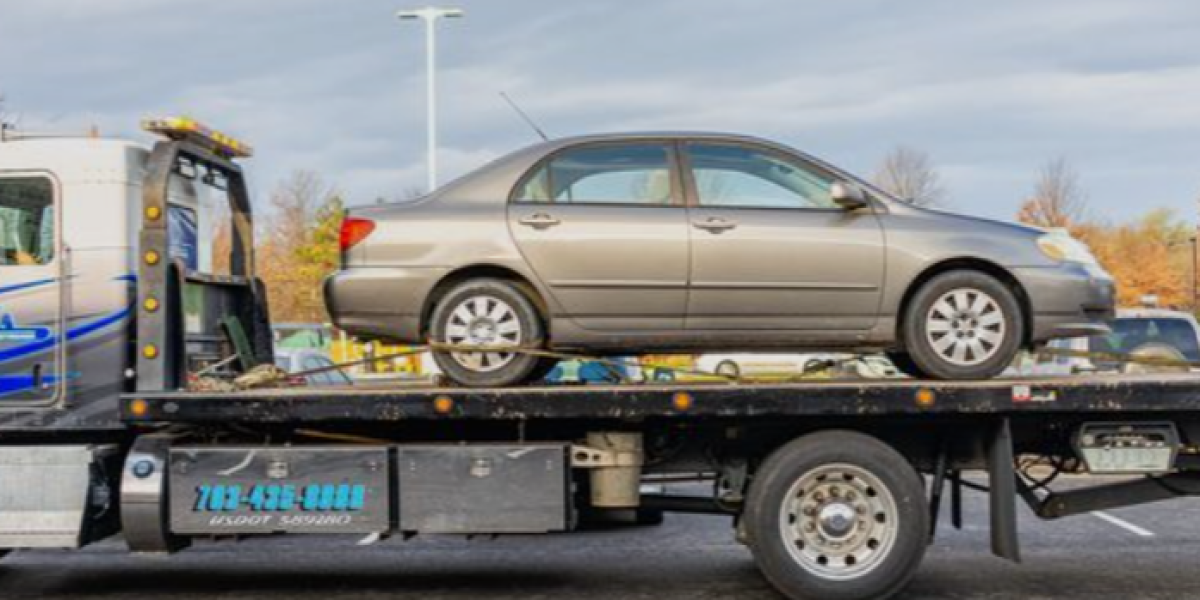
When your vehicle breaks down, gets a flat tire, or becomes damaged in an accident, towing may be necessary to get it to a repair shop or another safe location. However, paying for a tow unexpectedly can add stress to an already difficult situation. One of the first questions many drivers ask is: Does car insurance cover towing?
The answer depends on your auto insurance policy, the reason your vehicle needs towing, and the type of coverage you have. Some policies include roadside assistance or towing and labor coverage, while others cover towing only when it is connected to a covered accident or another insured event.
Understanding your policy before an emergency happens can help you avoid unexpected expenses and make better decisions when your vehicle cannot be driven safely.
Does Car Insurance Usually Cover Towing?
Standard auto insurance does not automatically cover every towing expense. Whether your insurer pays depends on the coverage you selected and the circumstances surrounding the incident.
Here are the most common situations:
- Roadside assistance coverage: May pay for towing after a breakdown, subject to your policy’s service limits.
- Towing and labor coverage: May reimburse eligible towing costs and certain roadside services up to a specified amount.
- Collision coverage: May cover towing associated with a covered collision claim, depending on the policy.
- Comprehensive coverage: May apply when a covered non-collision event damages your vehicle and makes towing necessary.
- Liability-only insurance: Generally does not pay to tow your own vehicle after an ordinary mechanical breakdown.
Coverage terms vary by insurance company. Check your policy documents or contact your insurer to confirm what applies to your situation.
The Texas Department of Insurance explains that towing and labor coverage can pay for towing when a vehicle cannot be driven, along with certain services such as changing a flat tire or jump-starting a battery.
What Types of Car Insurance May Pay for Towing?
Knowing how the main types of coverage work can help you determine whether you may qualify for payment or reimbursement.
1. Roadside Assistance Coverage
Roadside assistance is an optional benefit offered by many auto insurers. Depending on the plan, it may provide help when your vehicle breaks down or becomes disabled.
Services may include:
- Towing to an eligible repair facility
- Battery jump-starts
- Flat tire assistance
- Emergency fuel delivery
- Vehicle lockout assistance
Policies often have restrictions, such as a maximum towing distance, a dollar limit per incident, or a limit on the number of service calls. Some insurers arrange and pay the service provider directly, while others require you to pay first and submit a reimbursement request.
If your car will not start because of a weak battery, check whether your policy includes roadside assistance before arranging a service. You can also learn about jump-start service in Fort Worth if you need help with a battery-related problem.
2. Towing and Labor Coverage
Towing and labor coverage is an optional policy feature that may help pay for towing and certain roadside repairs when your vehicle becomes disabled.
For example, if your engine stops working and your car cannot safely reach a repair shop, this coverage may pay some or all of an eligible towing expense up to the policy limit.
However, the amount your insurer pays may not cover the entire bill. If the tow costs more than your coverage limit, you may have to pay the difference.
Before arranging a tow, ask your insurer:
- What is my towing limit per incident?
- Is there a maximum towing distance?
- Can I choose my own towing company?
- Do I need approval before the truck is dispatched?
- Must I submit an itemized receipt for reimbursement?
These questions can help you understand your out-of-pocket costs before the service begins.
3. Collision Coverage After an Accident
Collision coverage may help pay for damage to your vehicle following a covered collision, regardless of who caused the accident, subject to your policy terms.
If your vehicle is too damaged to drive, reasonable or eligible towing expenses may be handled as part of the covered claim, depending on the policy and claim circumstances.
For example, a vehicle with significant front-end damage after a collision may need to be transported to a repair facility. Your insurer or claims adjuster can explain whether towing is covered and whether any limits apply.
Keep in mind that collision coverage usually has a deductible for covered vehicle damage. Whether a deductible applies separately to towing or how towing is handled within the claim depends on the policy.
If your car is involved in a collision, prioritize safety, follow emergency instructions, and contact your insurer as soon as practical.
4. Comprehensive Coverage
Comprehensive coverage generally addresses certain types of vehicle damage that do not result from a collision, such as theft, hail, fire, or falling objects, subject to policy terms and exclusions.
If a covered event leaves your vehicle unsafe to drive, towing may be eligible as part of the claim or under a separate applicable benefit. However, comprehensive coverage does not automatically pay for every tow following a mechanical failure.
Contact your insurer to confirm whether the event qualifies as a covered loss and how towing expenses should be handled.
5. Liability-Only Insurance
Liability insurance generally pays for covered injuries or property damage you cause to other people, up to your policy limits. It does not normally pay to tow your own car simply because it breaks down.
For example, if your engine overheats and your vehicle stops running, liability-only coverage will not usually cover the tow to a mechanic.
If you have liability-only insurance, check whether you have a separate roadside assistance plan, an auto club membership, or another benefit that may help with towing expenses.
Does Car Insurance Cover Towing After a Breakdown?
It may, but a mechanical breakdown is not automatically an insured event.
If your vehicle stops running because of a failed alternator, damaged engine, dead battery, or another mechanical problem, standard collision and comprehensive coverage generally will not pay to repair the mechanical issue itself. Towing may still be covered if you have a roadside assistance benefit or towing and labor coverage.
For example, imagine your vehicle stops running during your commute in Fort Worth. You pull over safely and call your insurance company. If your policy includes roadside assistance with a suitable towing allowance, the insurer may arrange a tow or explain how to request reimbursement.
If you do not have that coverage, you may need to arrange towing independently and pay the service charge yourself.
When a breakdown occurs, move away from traffic if it is safe to do so, turn on your hazard lights, and avoid driving a vehicle that may be unsafe. You can review the available towing services in Fort Worth, TX if your vehicle needs professional transport.
Does Car Insurance Cover Towing After a Car Accident?
Towing after an accident may be covered when it is connected to an eligible insurance claim. The exact answer depends on your coverage, the cause of the accident, and your insurer’s claims process.
If you are involved in a collision:
- Check for injuries and immediate danger. Contact emergency services when necessary and follow their instructions.
- Move to a safe place if possible. Do not attempt to drive a severely damaged vehicle.
- Document the incident. If it is safe, take photographs and collect relevant information.
- Contact your insurer. Ask whether towing is covered and whether you need to use an approved provider.
- Confirm the towing destination and price. Make sure you understand where the vehicle will be taken and whether storage or other charges may apply.
If your car cannot be driven, accident-related towing may be necessary to move it to a repair facility or another approved location. Your insurer can explain whether the expense is covered and what documentation is required.
How Much Does Towing Cost if Insurance Does Not Cover It?
If your insurance does not pay for towing, the cost will depend on several factors. There is no single price that applies to every tow.
Common factors include:
- Distance: Longer trips generally cost more than short local tows.
- Vehicle type: Larger or heavier vehicles may require specialized equipment.
- Vehicle condition: A car with locked wheels, collision damage, or difficult access may require additional work.
- Time and location: Road conditions, access, and after-hours service may affect the quoted price.
- Additional services: Winching, recovery, storage, or other work may add to the total.
Before agreeing to service, ask for an itemized estimate and clarify whether mileage, hookup, recovery, storage, or other charges are included.
Ft Worth Quick & Slick Towing provides towing and roadside assistance in Fort Worth. If you need a tow, contact the company to discuss your vehicle, destination, and estimated price before dispatch.
How to Check Whether Your Insurance Covers Towing
You do not need to wait for a breakdown to find out whether towing is included in your policy. A few simple checks can help you prepare.
Review Your Insurance Policy
Look for terms such as “roadside assistance,” “emergency road service,” or “towing and labor.” Review the coverage limits, exclusions, and any requirements for arranging service.
Your declarations page may summarize your selected coverage, but the complete policy wording explains the conditions that apply.
Call Your Insurance Company
Ask your insurer to confirm whether towing is included and what conditions apply. Specifically, ask about the maximum benefit, approved providers, towing distance, reimbursement rules, and any required authorization.
Check for Other Roadside Benefits
You may have roadside assistance through an auto club membership, vehicle manufacturer, extended warranty, or another service plan. Check whether these benefits are active and whether they overlap with your insurance coverage.
Keep Your Documents and Receipts
If you pay for towing and plan to request reimbursement, keep the itemized invoice, payment confirmation, service details, and any claim reference numbers. Follow your insurer’s submission instructions and deadlines.
Do not assume that paying for a tow automatically guarantees reimbursement. Confirm eligibility with your insurer whenever possible.
What If You Need Towing in Fort Worth Right Now?
Insurance questions can wait until you are safe. If your vehicle has broken down, suffered accident damage, or become unsafe to drive, focus first on getting yourself out of danger.
If you have roadside assistance, contact your insurer or benefit provider to learn how to request service. If you need to arrange towing independently, confirm the price and destination with the towing company before work begins.
Ft Worth Quick & Slick Towing offers towing and roadside assistance in Fort Worth, including help with vehicle transport, dead batteries, and flat tires.
Depending on your situation, you can explore:
- Towing service in Fort Worth
- Roadside assistance in Fort Worth
- Tire change service in Fort Worth
- Jump-start service in Fort Worth
Contact your insurer to confirm coverage and ask the towing company for a clear estimate before authorizing the service.
Frequently Asked Questions
Does full coverage car insurance include towing?
Not necessarily. “Full coverage” is an informal term, commonly used for a policy with liability, collision, and comprehensive coverage. It does not automatically mean roadside assistance or breakdown towing is included. Check your policy for a separate towing benefit.
Does liability insurance cover towing?
Liability insurance generally does not pay to tow your own vehicle after a mechanical breakdown. You may need roadside assistance coverage or another service plan to cover the expense.
Will insurance pay for towing if my car breaks down?
It may if you have roadside assistance or towing and labor coverage. Collision and comprehensive coverage generally do not pay for ordinary mechanical failures unless another covered event or applicable benefit changes the circumstances.
Can I choose my own towing company?
That depends on your insurer and policy. Some plans require you to use a designated provider, while others allow you to choose a towing company and submit a reimbursement request. Confirm the rules before dispatch when possible.
Do I have to pay for towing upfront?
Some insurance or roadside assistance plans arrange direct payment with a provider. Others require you to pay first and request reimbursement. Ask your insurer how payment works under your specific plan.
Does car insurance cover towing to my preferred mechanic?
Possibly, but your plan may limit the towing distance, destination, or amount payable. Confirm whether your chosen repair shop is an eligible destination before arranging the tow.
What should I do if my towing bill exceeds my insurance limit?
You may be responsible for the amount above your policy’s benefit limit, depending on the terms of your coverage. Ask your insurer to explain the payment calculation and review the itemized towing invoice.
Final Thoughts
So, does car insurance cover towing? Sometimes, but it depends on the policy and why your vehicle needs to be towed. Roadside assistance and towing and labor coverage may help with ordinary breakdowns, while collision or comprehensive coverage may apply when towing is associated with a covered loss.
Review your policy before an emergency, understand your benefit limits, and confirm any authorization or reimbursement requirements. If your car cannot be driven safely, arrange appropriate towing rather than risking further damage or putting yourself in danger.
For towing and roadside assistance in Fort Worth, visit Ft Worth Quick & Slick Towing to learn about available services and request a quote.
