
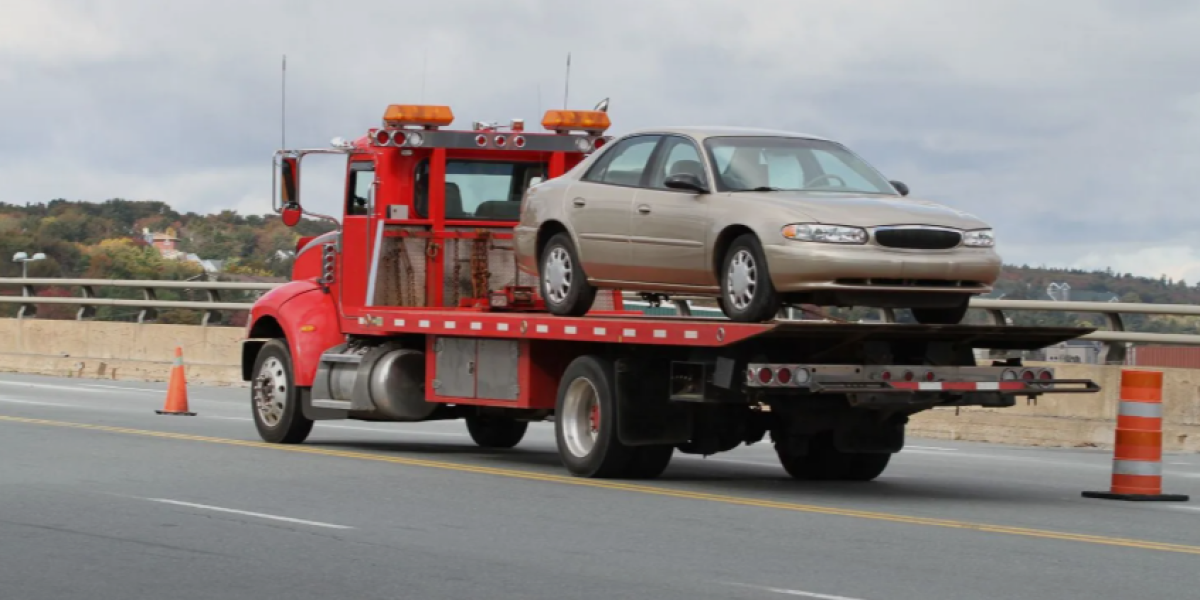
When a vehicle breaks down, gets involved in an accident, or develops a problem that makes it unsafe to drive, towing can help move it to a safer location or repair facility. However, many drivers are unfamiliar with the towing process and may not know how a tow truck connects to a vehicle, which equipment is used, or how their car is protected during transportation.
Towing involves more than pulling a disabled vehicle behind a truck. The operator must evaluate the vehicle, select the appropriate equipment, secure it properly, and transport it safely to its destination. The right towing method depends on the vehicle’s condition, weight, drivetrain, location, and the type of assistance required.
Understanding how towing works can help drivers make informed decisions during roadside emergencies, avoid unnecessary vehicle damage, and know what to expect when professional towing assistance arrives.
What Is Towing?
The Purpose of Moving a Vehicle That Cannot Be Driven Safely
Towing is the process of transporting a vehicle using another vehicle or specialized towing equipment. It is commonly used when a car, truck, SUV, or other vehicle cannot move on its own or should not be driven because of mechanical problems, accident damage, or safety concerns.
A towing truck is designed to move vehicles using lifting equipment, wheel supports, platforms, winches, and securement systems. These tools allow towing operators to transport vehicles that may have damaged engines, flat tires, broken suspension components, or other problems.
Drivers may need towing for several reasons, including:
- Engine failure or mechanical breakdown
- Accident-related vehicle damage
- Transmission or drivetrain problems
- Flat tires without a usable spare
- Broken axles or suspension components
- Vehicles stuck in mud, ditches, or difficult terrain
- Transportation to a mechanic, dealership, home, or storage facility
The primary purpose of towing is to move a vehicle without requiring it to operate normally. It also helps prevent additional damage that could occur if a driver attempts to continue driving an unsafe vehicle.
How Does Towing Work Step by Step?
From Requesting Assistance to Vehicle Delivery
Most towing jobs follow a similar process, although the exact steps may change depending on the vehicle and the roadside situation.
Step 1: Contact a towing company
The driver contacts a towing provider and explains what happened. The dispatcher typically asks for the vehicle’s location, make and model, condition, and the destination where it needs to be transported.
Providing accurate information is important. A car with a working engine and rolling wheels may require different equipment than an accident-damaged vehicle with locked wheels or a broken axle.
Step 2: The towing operator evaluates the situation
Once the tow truck arrives, the operator checks the vehicle and surrounding conditions. They may evaluate whether the vehicle can roll, steer, or be safely loaded, along with whether the location provides enough space to position the truck.
This assessment helps determine the safest way to move the vehicle.
Step 3: The appropriate towing equipment is selected
The operator selects a suitable towing method based on the vehicle’s size, weight, condition, drivetrain, and transportation requirements. A flatbed, wheel-lift truck, towing dolly, or recovery equipment may be used depending on the situation.
Step 4: The vehicle is connected or loaded
The vehicle is connected to the towing system or loaded onto the truck. Depending on the equipment, the operator may use hydraulic lifting mechanisms, wheel cradles, ramps, straps, or a winch.
The vehicle must be positioned and secured correctly before transportation begins.
Step 5: The vehicle is transported
Once the operator confirms that the vehicle is properly secured, the towing truck begins transporting it to the selected destination. The driver must consider road conditions, traffic, vehicle weight, and the stability of the load.
Step 6: The vehicle is unloaded
At the destination, the operator unloads or lowers the vehicle carefully. The car may be delivered to a repair shop, dealership, residence, or another location agreed upon with the customer.
A properly managed towing process helps reduce the risk of additional damage and makes vehicle transportation safer and more efficient.
How Do Tow Trucks Connect to Cars?
Understanding the Equipment Used During Towing
Tow trucks use different mechanical systems to lift, support, pull, or carry vehicles. The equipment used depends on the towing method and the condition of the car.
Some tow trucks use hydraulic lifting arms that raise one end of a vehicle. Others use a platform that tilts toward the ground to create a loading ramp. A winch may be used to pull a vehicle onto a platform when it cannot drive by itself.
Common towing equipment includes:
- Hydraulic lifts: Provide controlled lifting power for towing mechanisms.
- Wheel-lift systems: Support and lift selected wheels off the ground.
- Flatbed platforms: Carry the vehicle with all four wheels off the road.
- Winches: Pull vehicles onto a platform or help recover vehicles from difficult positions.
- Safety straps and restraints: Secure the vehicle to prevent movement during transport.
- Tow dollies: Support selected wheels when the vehicle needs additional protection or a particular towing arrangement.
These systems allow towing operators to handle different vehicles and situations. Proper equipment selection and securement are especially important when transporting vehicles with mechanical damage or special drivetrain requirements.
What Are the Different Types of Towing?
Choosing the Right Towing Method for Your Vehicle
There are several ways to tow a vehicle. Each method has its own advantages and is suitable for different circumstances.
Flatbed towing
Flatbed towing uses a truck with a long platform that can tilt or slide to ground level. The vehicle is loaded onto the platform and secured for transportation.
Flatbed towing is often suitable for:
- Accident-damaged vehicles
- Cars with transmission or drivetrain concerns
- All-wheel-drive vehicles requiring all wheels off the ground
- Low-clearance cars
- Vehicles that should not roll during transport
Because the entire vehicle can be carried on the platform, flatbed towing can help reduce contact with the road during transportation.
Wheel-lift towing
Wheel-lift towing uses a metal lifting mechanism that supports and raises either the front or rear wheels of a vehicle. The remaining wheels may stay on the road during transport.
This method is often used for local towing when the vehicle’s condition and drivetrain allow it. It can also be practical in locations where positioning a flatbed is difficult.
Hook-and-chain towing
Hook-and-chain towing uses chains and hooks to connect the disabled vehicle to the towing truck. This older method can put pressure on the vehicle’s frame or body, which is why modern wheel-lift and flatbed equipment are often preferred for many passenger vehicles.
Dolly towing
Dolly towing uses a small wheeled platform that supports one end of a vehicle while the other end remains on the ground. It may be used when the vehicle needs a specific towing arrangement to protect its drivetrain.
The towing operator must ensure that the method is suitable for the vehicle. Some cars, especially all-wheel-drive and electric vehicles, have specific transportation requirements that should be followed.
How Does Flatbed Towing Work?
Loading and Securing a Vehicle on a Flatbed Truck
Flatbed towing is one of the common methods used to transport disabled and damaged vehicles. Instead of leaving some wheels rolling on the road, the truck carries the vehicle on a platform.
The process generally works as follows:
- The tow truck is positioned in a safe and suitable location.
- The flatbed platform is tilted or lowered to create a loading angle.
- A winch cable is connected to an appropriate point on the vehicle.
- The vehicle is carefully pulled onto the platform if it cannot drive up.
- The operator positions the vehicle correctly and secures it using suitable restraints.
- The platform is returned to its transport position.
- The operator checks the vehicle’s securement before driving.
Flatbed towing can be helpful when a vehicle has transmission problems, damaged wheels, low ground clearance, or other conditions that make conventional towing unsuitable.
It is also often used to transport vehicles that owners want to keep off the road during the journey, including certain sports cars, luxury cars, and collector vehicles.
How Does Wheel-Lift Towing Work?
Raising One End of a Vehicle for Transportation
Wheel-lift towing uses a lifting system that supports the front or rear wheels of a vehicle. The operator positions the equipment beneath the appropriate wheels and raises them off the ground.
The other wheels may remain on the road during transport, depending on the setup.
This method can be useful for shorter towing distances and vehicles that are compatible with the equipment. It can also allow the towing operator to work in spaces where a flatbed truck may be harder to position.
However, wheel-lift towing is not suitable for every vehicle. Transmission type, drivetrain configuration, wheel condition, steering, and manufacturer instructions must be considered.
For example, towing an all-wheel-drive vehicle with the wrong wheels left on the ground can damage drivetrain components. The operator must select a towing method that fits the vehicle rather than relying on a single technique for every job.
When Should You Call a Tow Truck?
Situations Where Driving Your Vehicle May Be Unsafe
Not every vehicle problem requires towing, but some conditions make it unsafe to continue driving. Recognizing these situations can help you avoid additional damage and reduce the risk of an accident.
You should consider towing assistance when:
- Your engine overheats: Continued driving may cause severe engine damage.
- Your brakes are not working properly: Reduced braking performance can make the vehicle unsafe.
- You experience major transmission problems: The vehicle may not move reliably or may suffer additional damage.
- Your car has serious accident damage: Steering, suspension, wheels, or structural components may be affected.
- You have a broken axle or suspension: The vehicle may not be stable enough to drive.
- You notice smoke or a burning smell: This could indicate an electrical, mechanical, or fire-related problem.
- Your vehicle repeatedly stalls: Losing power in traffic can create a dangerous situation.
- Your tire is destroyed or your wheel is damaged: Driving may damage the vehicle further or cause loss of control.
If your vehicle is showing signs of a serious mechanical problem, pull over somewhere safe if possible. Do not risk driving it simply to reach a nearby repair shop.
If the problem may be resolved at the roadside, you may not need a full tow. For example, a dead battery, an empty fuel tank, or a flat tire with a usable spare may be handled through roadside assistance.
What Is the Difference Between Towing and Roadside Assistance?
Knowing Whether You Need a Tow or an On-Site Fix
Towing and roadside assistance are designed to help drivers facing vehicle problems, but they serve different purposes.
Roadside assistance attempts to resolve a problem where the vehicle is located. Towing transports the vehicle to another location when it cannot be driven safely or when roadside repair is not practical.
Roadside assistance may include:
- Jump-starting a weak or dead battery
- Changing a flat tire
- Delivering fuel
- Helping with a vehicle lockout
- Assisting with certain minor roadside problems
Towing is more appropriate when the vehicle has a serious mechanical issue, accident damage, unsafe wheels, or a problem that cannot be resolved at the roadside.
For example, if your car will not start because of a weak battery, a jump-start service may be enough to get it running. If your vehicle has a major engine failure, it may need to be transported to a repair facility.
If you are unsure what type of assistance you need, describe the problem to the towing provider so they can help determine the appropriate service.
How Is a Vehicle Prepared for Towing?
Important Information to Share Before the Tow Truck Arrives
Preparing a vehicle for towing can help make the process more efficient and prevent avoidable problems. However, safety comes first, and some preparation may not be possible after an accident or serious breakdown.
If it is safe to do so:
- Remove personal belongings and valuables.
- Inform the operator if your wheels are locked or damaged.
- Mention transmission, steering, or drivetrain problems.
- Tell the towing provider if your vehicle is electric, hybrid, or all-wheel drive.
- Share whether the car can roll, steer, or start.
- Confirm the destination before the vehicle is loaded.
- Keep your keys available if they are needed to access or move the vehicle.
If the vehicle is stopped on a highway shoulder or in another dangerous location, do not attempt to prepare it while exposed to traffic. Move yourself and your passengers to a safe location and follow local safety guidance.
Can Towing Damage Your Vehicle?
Why Proper Equipment and Securement Matter
Towing does not automatically cause vehicle damage. When the proper towing method is used and the vehicle is secured correctly, it can be transported safely.
However, improper towing may cause damage to several parts of a vehicle, including:
- Transmission and drivetrain components
- Tires and wheels
- Suspension systems
- Bumpers and body panels
- Undercarriage components
- Steering parts
Vehicles with all-wheel drive, automatic transmissions, electric drivetrains, or low ground clearance may require special attention.
Before towing begins, tell the operator about any known damage and vehicle-specific requirements. If you have the owner’s manual available, its towing instructions can provide useful guidance.
Choosing the correct equipment is one of the most important steps in protecting a vehicle during transport.
How Much Does Towing Cost?
Factors That Determine the Final Towing Price
Towing prices vary depending on the vehicle, location, distance, equipment, and circumstances of the job. A short local tow may cost less than transporting a vehicle across a city or recovering one from a difficult position.
Common factors that affect towing prices include:
- Distance: The mileage between pickup and destination.
- Vehicle size and weight: Larger vehicles may require specialized trucks.
- Vehicle condition: Non-running vehicles or those with locked wheels may take additional work to load.
- Towing equipment: Flatbed, wheel-lift, or specialized equipment may affect the price.
- Recovery difficulty: Vehicles stuck in mud, ditches, or tight locations may require additional recovery work.
- Time of service: Nighttime, holiday, or emergency calls may have different rates.
- Destination: The requested drop-off location can affect total mileage and cost.
Before agreeing to towing, ask for the estimated or confirmed price, what mileage is included, and whether any additional recovery or equipment fees may apply.
Clear pricing helps you understand what you are paying for and avoid surprises.
What Should You Do While Waiting for a Tow Truck?
Staying Safe During a Vehicle Breakdown
A breakdown can happen anywhere, including highways, busy streets, parking lots, and unfamiliar areas. While waiting for towing assistance, focus on keeping yourself and your passengers safe.
If possible, move your vehicle away from moving traffic. Turn on hazard lights when appropriate and avoid standing in areas where approaching drivers may not see you.
Here are some useful precautions:
- Stay away from active traffic lanes.
- Avoid attempting repairs in unsafe roadside conditions.
- Keep children and passengers away from traffic.
- Do not stand behind your disabled vehicle on a busy roadway.
- If you notice smoke or fire, move away from the vehicle and call emergency services.
- Follow instructions from emergency responders or roadside authorities.
On busy highways, leaving the vehicle may sometimes be safer than staying inside, but the safest choice depends on your exact location. Avoid stepping into traffic, and move to a protected area if you can do so safely.
Frequently Asked Questions About How Towing Works
Common Questions Drivers Ask Before Calling a Tow Truck
How long does it take to tow a car?
The towing time depends on the vehicle’s condition, loading process, traffic, distance, and destination. A simple local tow may take less time than transporting a damaged or stuck vehicle.
Can a tow truck move a car that does not start?
Yes. Tow trucks can transport vehicles that do not start using flatbeds, wheel-lift systems, winches, and other suitable equipment. The method depends on whether the vehicle can roll, steer, and be loaded safely.
Is flatbed towing safer for my car?
Flatbed towing keeps all four wheels off the ground during transport, which can be beneficial for many disabled vehicles, all-wheel-drive cars, low-clearance vehicles, and those with drivetrain problems. The best method still depends on the vehicle manufacturer’s towing instructions and its condition.
Can a car be towed with a flat tire?
Yes. A vehicle with a flat tire can often be transported by tow truck. If the wheel, suspension, or axle is also damaged, the operator may need specialized equipment.
Can I choose where my car is towed?
Usually, you can request a repair shop, dealership, home, or another suitable destination. Confirm the destination and pricing with the towing company before dispatch.
Do towing companies operate at night?
Many towing providers offer 24-hour emergency service. Availability depends on the company, location, and type of vehicle or recovery required.
Does insurance cover towing?
Some auto insurance policies include towing or roadside assistance coverage, while others offer it as an optional add-on. Check your policy or contact your insurance provider to understand your coverage, limits, and reimbursement requirements.
Final Thoughts on How Towing Works
Choosing Safe Transportation When Your Vehicle Breaks Down
Towing is a practical way to transport a vehicle that cannot be driven safely. The process includes evaluating the vehicle, selecting suitable equipment, securing it properly, and delivering it to the requested destination.
Understanding the difference between flatbed towing, wheel-lift towing, and other towing methods can help you make better decisions during a roadside emergency. It can also help you communicate more clearly with the towing operator about your vehicle’s condition and needs.
If your vehicle has serious mechanical problems, accident damage, or a condition that makes driving unsafe, professional towing can help prevent further damage and reduce unnecessary risks.
Ft Worth Quick & Slick Towing provides towing and roadside assistance for drivers dealing with breakdowns, flat tires, dead batteries, and other roadside problems in Fort Worth, Texas. If your vehicle cannot continue safely, you can explore the company’s towing services in Fort Worth to learn about vehicle transportation options.
When your car stops working unexpectedly, knowing how towing works can make a stressful situation easier to manage and help you take the right next step.
